
A CONNECTED WATERPROOFING SYSTEM
How pre-applied HDPE waterproofing membranes work
The membrane is installed before concrete is placed. As the concrete bonds to the membrane, the interface helps limit pathways for lateral water migration between the waterproofing and the structure.
The HDPE sheet provides the primary waterproofing layer.
Bond quality depends on a clean surface and suitable concrete placement.
Joints, penetrations and corners need coordinated detailing.
Concept only; not to scale. Final build-up and compatible materials must follow the project design and approved installation method.
FROM MATERIAL TO MEMBRANE
From material
to membrane.
Look beyond the finished roll. Confirm the specification, membrane build-up and installation requirements before procurement.
Read the complete product guide ↗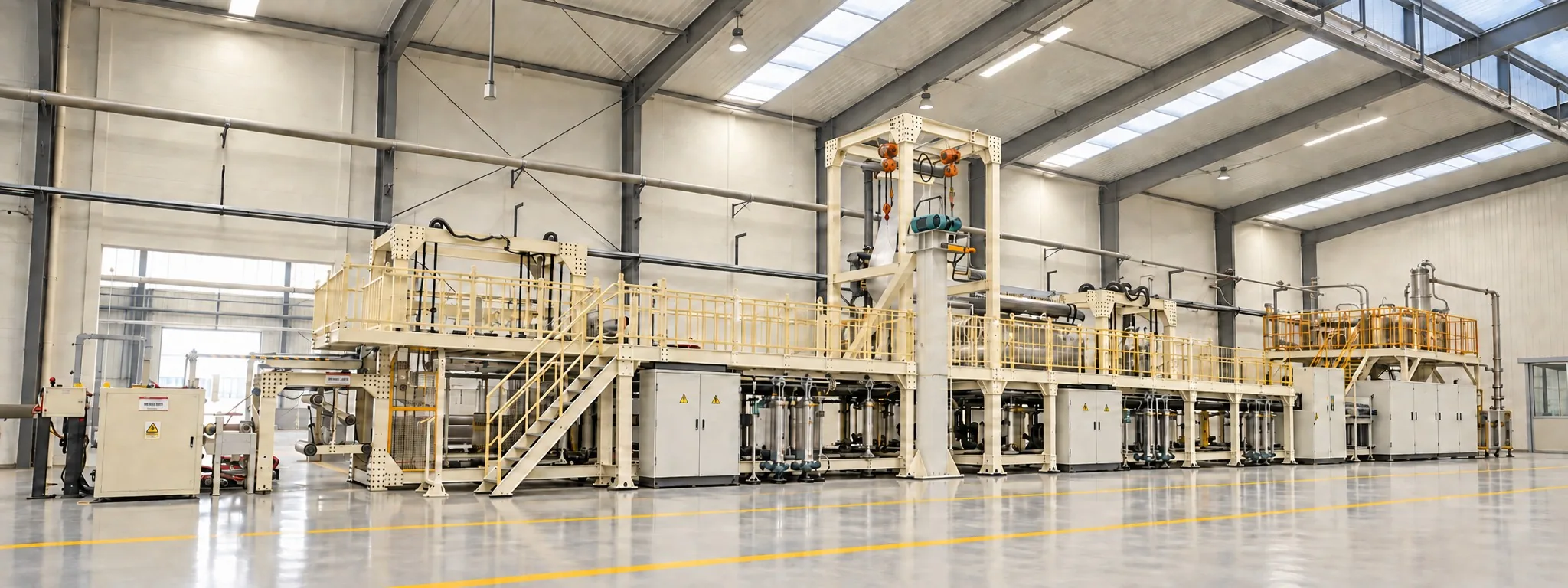
HDPE MEMBRANE SELECTION
What to check before specifying a membrane
What is a non-bituminous HDPE waterproofing membrane?
This Hongyuan range combines an HDPE water barrier with a hot-melt adhesive bonding layer in a non-bituminous composite membrane. It is installed before structural concrete is poured, with the bonding face towards the fresh concrete. Review the complete product build-up and jointing method for the selected configuration.
Non-bituminous describes the material system. Pre-applied describes the construction sequence. Adhesive-jointed and heat-welded describe how adjacent sheets are connected. These terms answer different specification questions; confirm all three when choosing a membrane for a basement or foundation.
Adhesive-jointed HDPE specifications · Heat-welded HDPE specifications
Is HDPE waterproof on its own?
The HDPE sheet forms the primary water barrier in this membrane range. A below-ground waterproofing system also depends on continuous joints, sound detailing and protection during construction. Assess the tested membrane assembly and the groundwater conditions; a material name or sheet thickness alone does not establish the performance of the installed system.
Is a pre-applied membrane the same as an HDPE liner?
Check the intended function before substituting products. A liner specification may describe a separate containment sheet, while this pre-applied range is designed to bond to the concrete cast against it. A shared HDPE material does not establish equivalent concrete adhesion, joint details or construction sequence. For a self-adhesive HDPE liner enquiry, specify whether you need a membrane bonded to fresh structural concrete.
What does HDPE self-adhesive waterproofing mean?
HDPE means high-density polyethylene. In these pre-applied membranes, the HDPE sheet forms the water barrier and the adhesive system bonds to freshly placed concrete. Bonding to concrete and joining adjacent sheets are separate functions: choose the specified adhesive-jointed or heat-welded system.
Is pre-applied the same as peel-and-stick?
No. Pre-applied describes installation before structural concrete is poured. Do not assume a membrane designed to bond to fresh concrete is suitable for sticking onto an existing wall. Confirm the construction sequence and substrate before ordering.
How should I choose membrane thickness?
Use the project specification and the complete tested configuration, including HDPE sheet thickness, puncture resistance, jointing and concrete adhesion. Total thickness alone does not establish suitability for the groundwater pressure or site conditions.
What should an OEM enquiry include?
State your target market, membrane type, required thickness, quantity and destination, together with label language and packaging requirements. Ask for the corresponding test reports and written confirmation of available formats.
Compare HDPE membrane specifications · Review installation guidance · Discuss OEM supply
Which information is needed to specify basement waterproofing?
Provide the drawings, groundwater conditions, construction sequence, substrate arrangement and expected exposure. The review should cover the exact membrane configuration, accessories, construction joints, penetrations and inspection before the concrete pour. Keep the selected product’s test reports and installation method together in the project submission.
Adhesive-jointed installation · Heat-welded installation · Discuss your waterproofing specification ↗